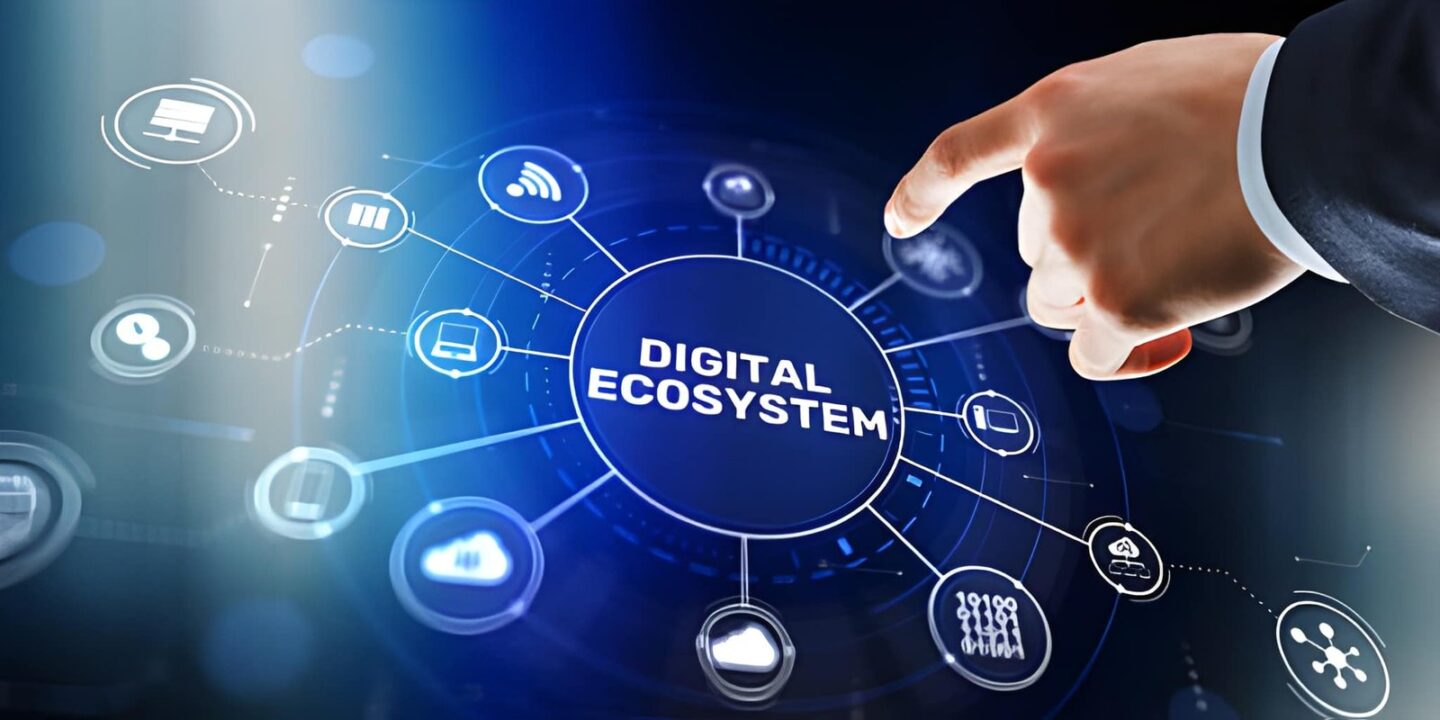
Businesses today need more than just physical infrastructure to stay competitive. They also need smart technology, reliable digital systems, and access to global markets. This is why Digital solutions for special economic zones are becoming increasingly important. By combining advanced technology with business friendly policies, special economic zones can help companies improve productivity, reduce operational costs, and attract more investment.
For startups, manufacturers, exporters, and growing businesses, digital transformation creates opportunities that go beyond traditional industrial development. It enables faster communication, better decision-making, and more efficient operations, allowing businesses to grow with confidence in a competitive global economy.
Why Digital Transformation Matters in SEZs
Traditional industrial zones mainly provide land, utilities, and tax incentives. While these benefits remain valuable, modern businesses also require digital infrastructure to support their daily operations.
Digital technologies make it possible to automate processes, manage supply chains in real time, improve customer service, and protect sensitive business data. As more companies adopt digital tools, special economic zones become more attractive to both local and international investors.
A digitally connected SEZ also helps government agencies, investors, and businesses work together more efficiently, reducing paperwork and improving transparency.
Key Digital Solutions Supporting Modern SEZs
Several technologies are transforming the way special economic zones operate.
Cloud Computing
Cloud-based systems allow businesses to securely store data and access important information from anywhere. This improves collaboration among teams while reducing IT infrastructure costs.
Smart Manufacturing
Automation, robotics, and connected production systems help manufacturers increase productivity while maintaining consistent product quality. These technologies also reduce downtime and operational expenses.
Artificial Intelligence
AI helps businesses analyze customer behavior, forecast demand, optimize inventory, and improve decision-making using real-time insights.
Internet of Things (IoT)
Connected devices monitor machinery, energy usage, and production performance. This enables predictive maintenance, minimizing equipment failures and improving operational efficiency.
Digital Supply Chain Management
Modern logistics platforms allow businesses to track shipments, monitor inventory, and coordinate suppliers more effectively, helping reduce delays and improve customer satisfaction.
The Role of a Virtual Special Economic Zone
One of the latest innovations in industrial development is the Virtual Special Economic Zone (V-SEZ). Instead of relying only on physical infrastructure, a virtual model provides businesses with access to digital services, online collaboration, virtual business support, training, and international networking opportunities.
This approach is especially beneficial for startups and SMEs that may not have the financial resources to establish operations inside a traditional industrial zone.
Virtual platforms can provide:
- Digital business registration
- Online investment support
- Virtual training programs
- Remote collaboration tools
- Access to international partners
- Digital trade opportunities
By reducing geographical barriers, V-SEZs make business growth more accessible to companies of all sizes.
Economic Benefits of Digital SEZs
Technology-driven industrial zones contribute significantly to national and regional economic development. The Economic Impact of Digital SEZs can be seen across multiple sectors as businesses become more productive and competitive.
Some of the major economic benefits include:
- Higher business productivity
- Increased foreign direct investment
- More employment opportunities
- Faster business setup processes
- Better export performance
- Improved innovation and entrepreneurship
- Greater global competitiveness
When businesses operate more efficiently, governments also benefit through stronger economic growth, improved tax revenues, and increased industrial development.
Supporting SMEs Through Digital Innovation
Small and medium-sized enterprises often face challenges such as limited funding, restricted market access, and inefficient business processes. Digital transformation helps overcome many of these barriers.
Modern digital platforms allow SMEs to automate accounting, manage customer relationships, improve inventory control, and expand into international markets without making significant investments in physical infrastructure.
This makes Special Economic Zones (SEZ) for SMEs an increasingly valuable strategy for encouraging entrepreneurship and supporting sustainable economic growth.
Instead of competing with larger organizations using traditional methods, SMEs can leverage technology to improve efficiency and deliver better customer experiences.
Building a Smarter Business Ecosystem
Digital SEZs are not just about technology they are about creating an environment where businesses, educational institutions, investors, and government organizations work together.
A connected ecosystem encourages innovation by providing access to:
- Digital business services
- Research and development support
- Skills training
- Technology partnerships
- Investment opportunities
- Business networking platforms
These resources help businesses innovate faster while preparing them for future market challenges.
Organizations like EduTrainia are helping promote this vision by supporting digital transformation initiatives that connect education, industry, and business development.
Challenges to Consider
While digital transformation offers many advantages, successful implementation requires careful planning.
Businesses should focus on:
- Strong cybersecurity measures
- Employee digital skills training
- Reliable internet infrastructure
- Data privacy compliance
- Continuous technology upgrades
Addressing these challenges early helps organizations maximize the benefits of digital transformation while minimizing operational risks.
Conclusion
The future of industrial development depends on technology as much as infrastructure. Digital solutions are helping special economic zones become smarter, more efficient, and better connected to global markets.
Whether through cloud computing, artificial intelligence, IoT, or virtual collaboration platforms, businesses now have more opportunities than ever to improve productivity and expand internationally. As governments and industries continue investing in digital innovation, special economic zones will play an even greater role in supporting sustainable business growth.
Companies that embrace these digital advancements today will be better positioned to compete, innovate, and succeed in tomorrow’s global economy.